January 30, 2026
2026: The Year of the Female Collector
Article by
read
We’re one month into 2026 everyone is predicting what the year has in store for the art world.
Most of the forecasts are market-driven, anticipating steady growth for blue-chip galleries and the secondary market, highlighting the Gulf as a defining region, and positioning art financing as increasingly legitimate and stable.
But often, these projections forget the true drivers of the market: the people who shape culture, whose eyes aren’t just observing, but actively engaging.
Collecting is no longer about objects, it’s about experiences. And by ‘experience’, we don’t mean immersive spectacles or Instagram-ready installations. We mean relationships: visiting a studio, meeting an artist, supporting work at its earliest stage. Patronage is returning, and it’s coming back in full swing. The market isn’t just about collectors anymore; it’s about active participants, people who want to contribute, to support artists and curators they believe in, even if they never buy a single work. ‘Art’ becomes less something you consume and more something you belong to, a form of exchange, a way of giving back for the way it moves you.
We can’t help but think that this shift in collecting, this intimacy that comes with viewing, is directly correlated to our favorite forecast of 2026 – that this year is the year of the female collector. The UBS basel report shows that not only are women spending 46% more than their male counterparts, but they’re also investing in women. Meaning the art historical canon is shifting as we speak.


In 2026, we expect women artists to take center stage: major museum exhibitions of Tracy Emin, Frida Kahlo, Ana Mendieta, Rose Wylie, Gwen John, Sophie Calle, Catherine Opie, Beatriz González, Marina Abramović, Leonora Fini, Lorna Simpson…. and my god, the list goes on.
But these shows wouldn’t exist without decades of patronage driven by women. The woman collector is far from new. Figures like Gertrude Stein, Peggy Guggenheim, and Abby Rockefeller have been championing artists before they were widely recognized, challenged conventional collecting practices, and redefined what it meant to be a patron. Now, we see history repeat itself with collectors like Komal Shah, Sarah Arison, Maria Sukkar, Komal Shah, Carla Shen, Che Xuanqiao, Nish McGree, Victoria Rogers, Mana Jalalian, Basma AlSulaiman and Jenny Yeh – and those are just the few we can name off the top of our heads. In celebration of these women and the many who will drive the ecosystem in 2026, we’ve spotlighted a few of our favorites:
Beyond collectors, pioneering female dealers such as Barbara Gladstone, Esther Schipper, and Sadie Coles and the late Marian Goodman, provided platforms for groundbreaking artists, often before the mainstream art world was ready. Their influence continues today through a new generation – with Pilar Corrias, Vanessa Carlos, Mariane Ibrahim or Jessica Silverman to name a few – working to ensure greater visibility and representation for women in art. The contemporary art market as we know it wouldn’t exist without them.
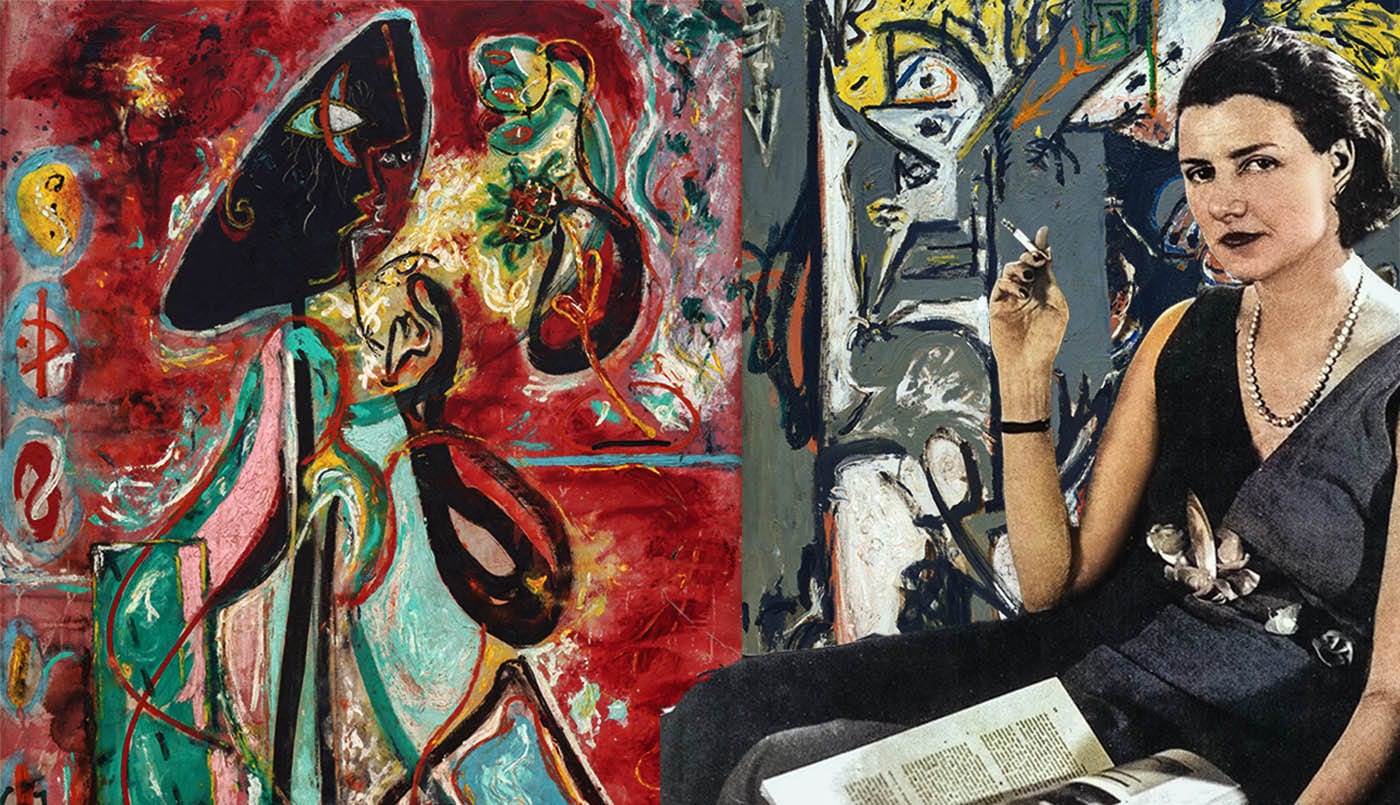
Peggy Guggenheim
Peggy Guggenheim transformed modern art through her bold vision and unparalleled collection. Guided early by Marcel Duchamp, she developed a sharp eye for innovation, acquiring key works by Picasso, Dalí, Mondrian, Léger, and Ernst – often during World War II, preserving them from wartime destruction. In New York, her gallery, Art of This Century, placed European Surrealism alongside emerging American artists, playing a decisive role in the rise of Abstract Expressionism with figures like Jackson Pollock, Mark Rothko, and Robert Motherwell. By exhibiting at the Venice Biennale in 1948 and establishing a permanent museum in Venice, Guggenheim helped legitimize American modernism and cemented her legacy as a transformative force in 20th-century art.
Dominique de Menil
Dominique de Menil’s impact came from her intellectual rigor, ethical commitment, and expansive vision. Alongside her husband, she built one of the most significant private modern art collections in the U.S., emphasizing quality, spirituality, and social meaning, with works by Magritte, Ernst, Klein, Rothko, Pollock, and Twombly. Unlike collectors driven by spectacle, de Menil saw art as a vehicle for ethical reflection and dialogue, supporting experimental artists and commissioning site-specific works. Her influence extended to institution-building, most notably the Menil Collection in Houston, which prioritized accessibility, contemplative viewing, and architectural harmony, redefining the role of the modern art museum.
Lillie P. Bliss
Lillie P. Bliss was a pioneering American collector whose early support of modern art helped establish it in the United States. Her collection included European and American avant-garde works by Picasso, Cézanne, Braque, Matisse, Marsden Hartley, and John Marin. Bliss was also a founding trustee of the Museum of Modern Art in New York, contributing key works to its early exhibitions and helping position MoMA as a central hub for modernist art. Through her collecting and strategic support of artists and institutions, Bliss played a crucial role in shaping 20th-century American art.
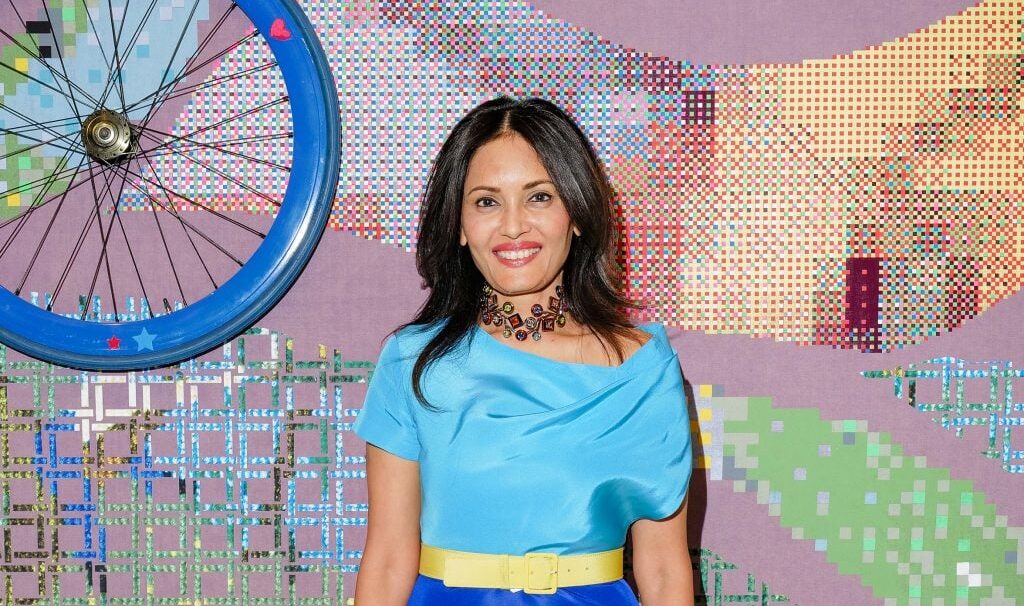
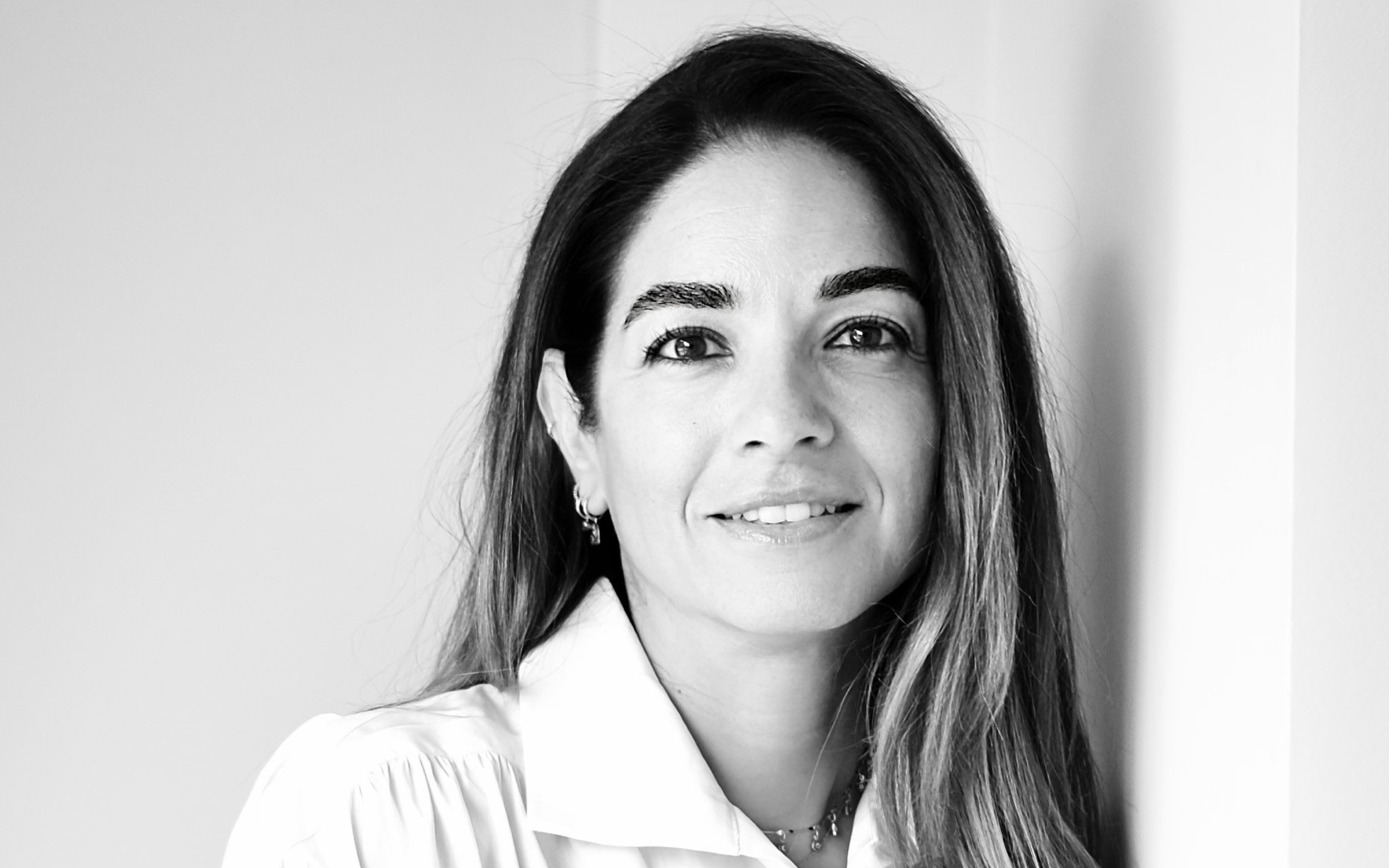
Komal Shah
Komal Shah’s impact lies in her rigorous correction of art history’s gender imbalance. Through the Shah Garg Collection, she has assembled a major body of modern and contemporary works exclusively by women artists, foregrounding abstraction, material innovation, and overlooked legacies. Her collecting is inseparable from advocacy, scholarship, and institutional change.
Maria Sukkar
Maria Sukkar’s collecting is driven by a sustained inquiry into identity, vulnerability, and the psychological self. Her ISelf collection brings together modern and contemporary works, often by women, that probe embodiment, trauma, and desire, with artists such as Cindy Sherman, Tracey Emin, and Yayoi Kusama. Beyond collecting, her influence extends through institutional engagement, shaping acquisitions and discourse at major museums.
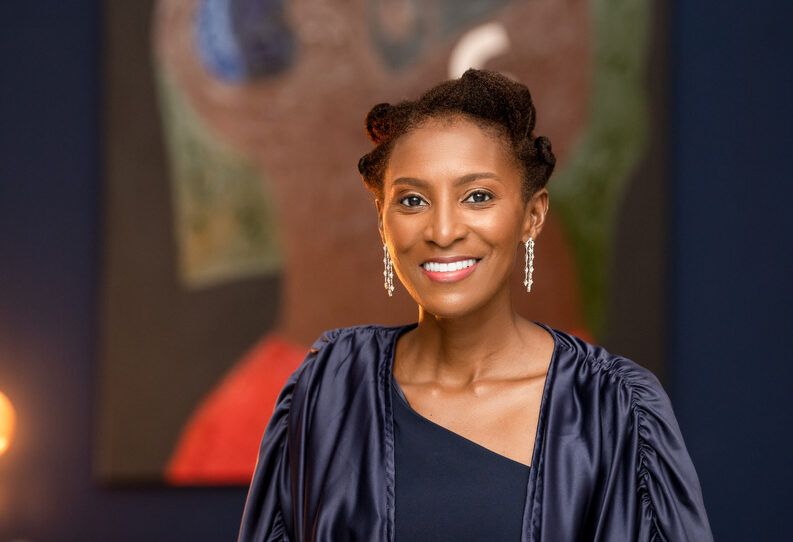
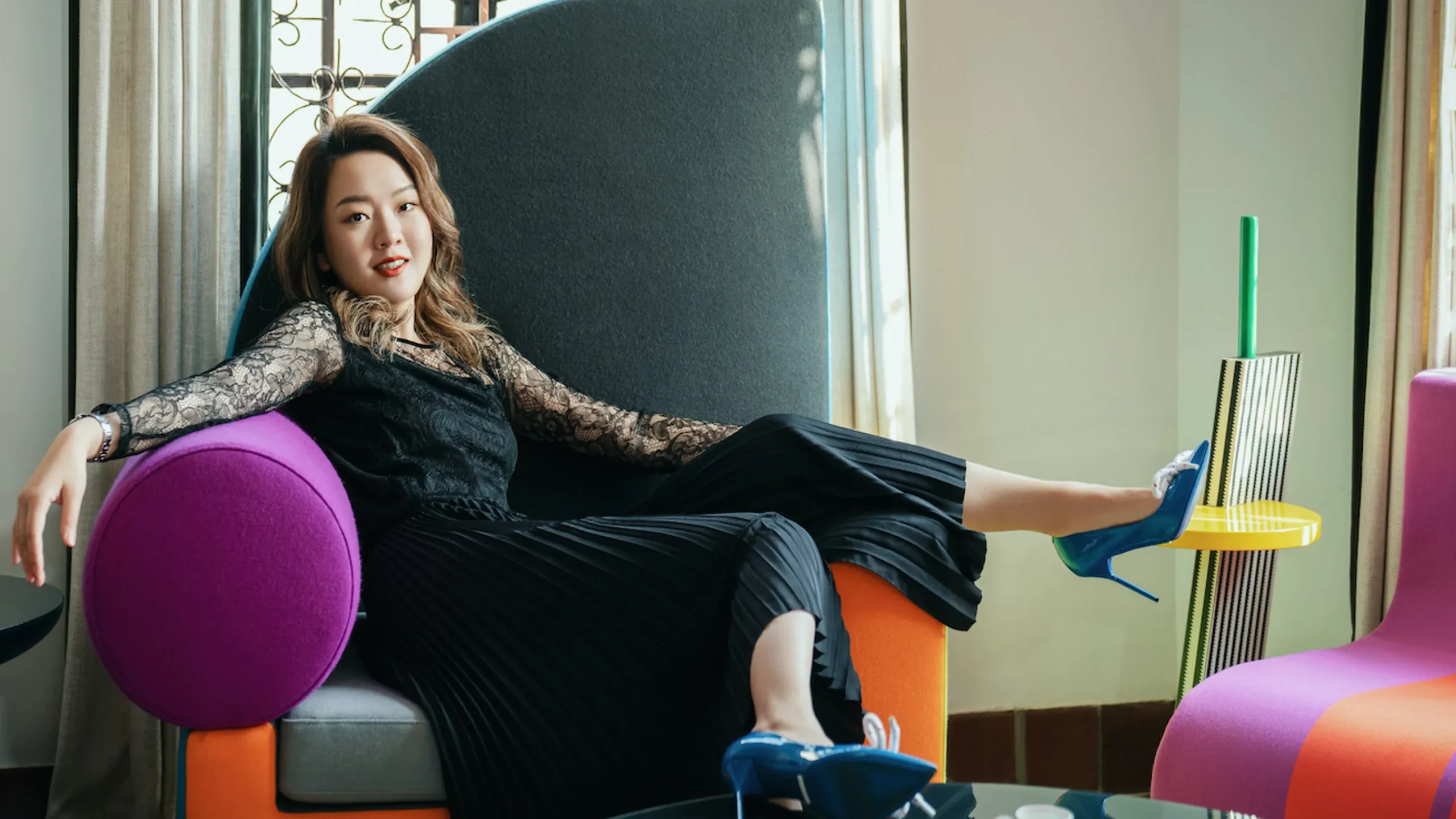
Che Xuanqiao
Che Xuanqiao operates at the intersection of collecting, curating, and institution-building in China’s contemporary art scene. Through the Macalline Art Center and her collection, she champions experimental practices that explore technology, the body, and posthuman futures. Her influence comes from creating sustained platforms rather than singular trophies.
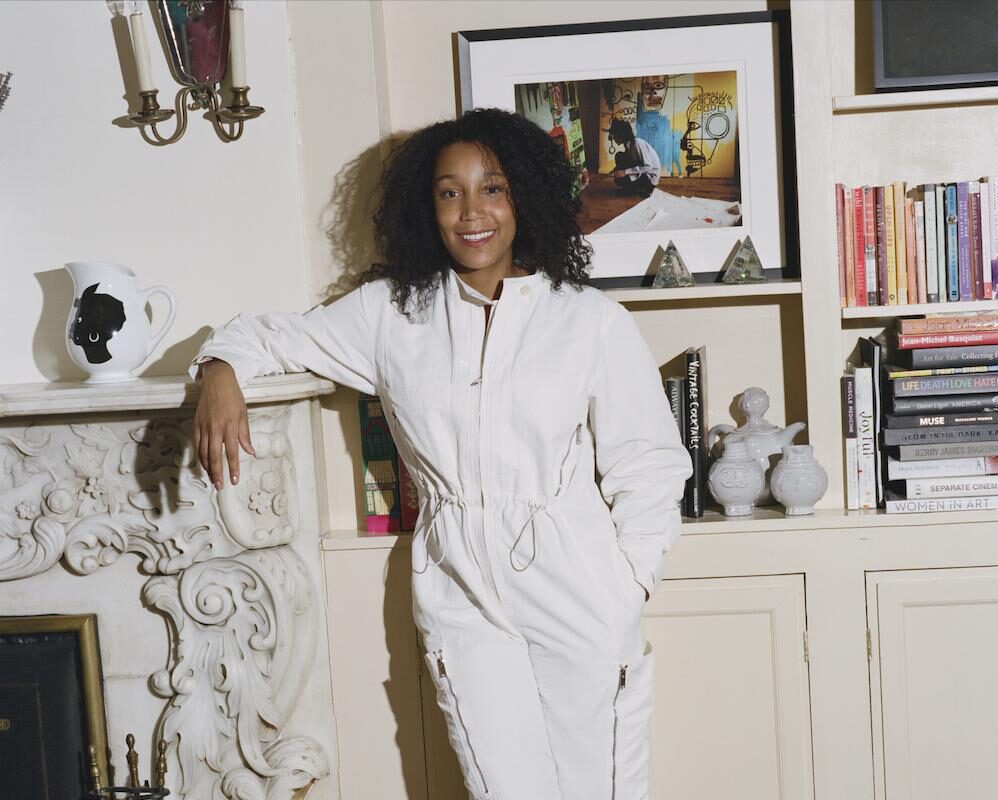
Nish McCree
Nish McCree’s collecting centers on contemporary African and diasporic artists, shaped by a commitment to ecosystem-building rather than market visibility. Based in Ghana, she supports artists through mentorship, infrastructure, and long-term engagement. Her collection reflects a belief in art as cultural continuity and social investment.
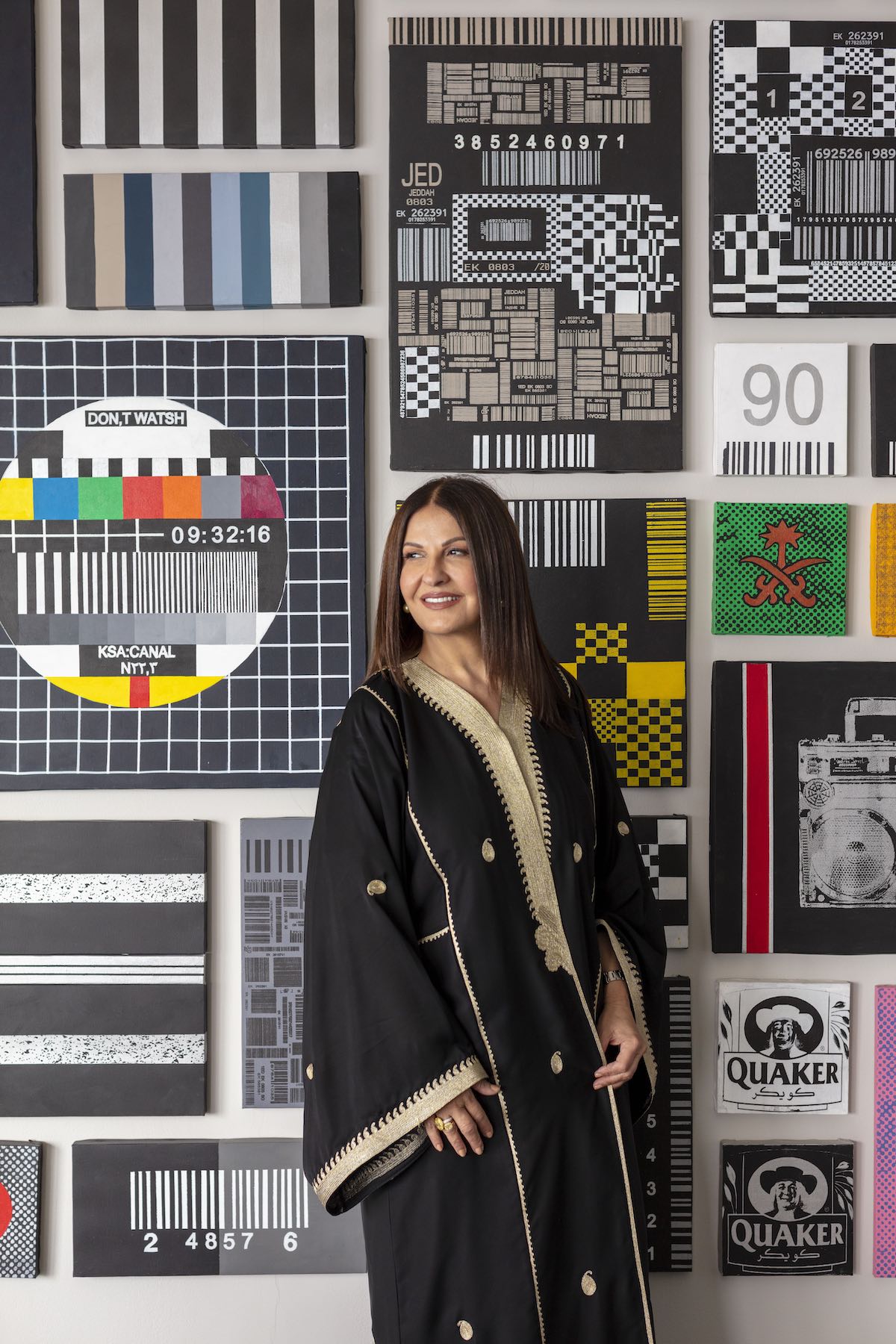
Victoria Rogers
Victoria Rogers approaches collecting as a form of cultural stewardship and institutional critique. Her collection foregrounds artists of color and women working in contemporary practice, often engaging themes of history, power, and representation. Through board service and philanthropy, she works to realign museums with more equitable narratives.
Basma Al-Sulaiman
Basma Al-Sulaiman’s collection reflects both global ambition and regional responsibility. Spanning Western modernism, Chinese contemporary art, and Middle Eastern practices, it is anchored by a commitment to accessibility through initiatives like BASMOCA. Her work reframes collecting as a mobile, public-facing institution.
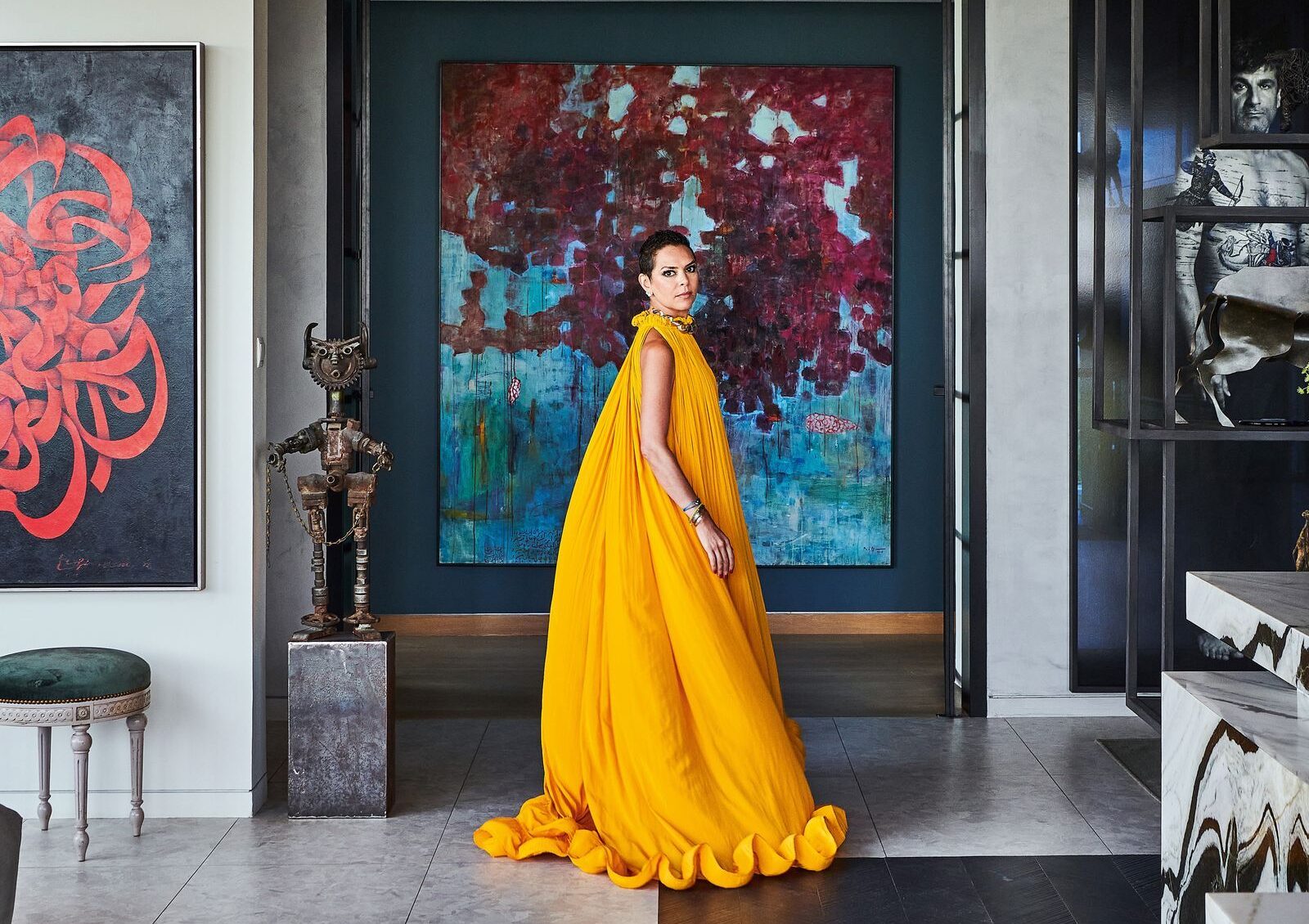
Mana Jalalian
Mana Jalalian’s collection bridges Iranian modernism and global contemporary art, emphasizing dialogue across geographies and generations. With hundreds of works shown internationally, her approach treats collecting as a public, educational act rather than a private pursuit. Her influence lies in using art to collapse cultural distance.
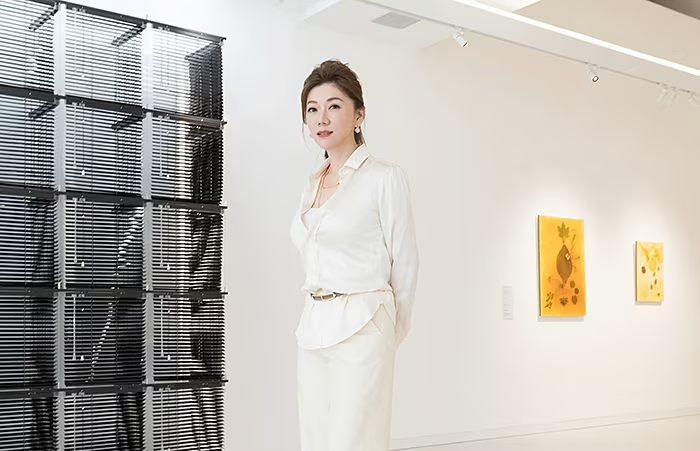
Jenny Yeh
Jenny Yeh’s vision centers on scale, immersion, and public encounter. Through the Winsing Arts Foundation, she has built a collection of large-scale installations and conceptual works that resist domestic display and demand shared experience. Her influence lies in transforming private collecting into a civic cultural space.
So, alongside the data and the markets and all these predictions tied to numbers, we’re also predicting that 2026 will mark the shift between not just seeing, but feeling, subverting the gaze, making real world connections in a culture that insists we live online, investing with our hearts, creating and engaging with art for art’s sake, and so much more.
To explore more women collectors and their stories, check out our collector series in newcube Magazine.